Determining the impact of digitalization on financial management and developing models to assess its efficiency
DOI:
https://doi.org/10.15587/2706-5448.2026.357135Keywords:
financial digitalization, digital technologies, management technologies, financial management, digitalization effectiveness, information supportAbstract
The object of research is financial digitalization and the effectiveness of its impact on financial management. The problem of defining the mission of digitalization and formalizing its impact on financial management was solved.
The research results are as follows:
– defining the mission of digitalization in management as reforming its information support;
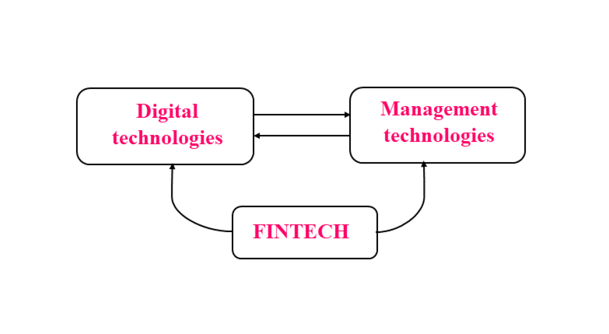
– distinguishing two management systems: digital and management technologies, and the presence of a systemic impact of the first on the second;
– assessing the effectiveness of digitalization taking into account the economic interests of stakeholders through the use of indicators: the effectiveness of investment in financial digitalization (ROIf), the effectiveness of financial management (Ef), the profitability of equity (ROE);
– the factorial relationship between the indicators: ROIf → Ef → ROE;
– formalizing ROIf, Ef, ROE for profitable enterprises and non-profit organizations through factor modeling and eliminating factors not related to digitalization;
– a mechanism for intensification of management processes due to the reduction of time and costs for management, the growth of sales volumes and net profit.
The originality of the results obtained lies in: using a systematic approach to defining the mission of digitalization of management; specifying the category of efficiency through its a posteriori definition and taking into account the interests of stakeholders; formalizing the indicators of the effectiveness of financial digitalization. This approach allowed to solve the above-mentioned problem, which regulates the scientific perception of digitalization of management and the prospects for its implementation. In practical activities, the developed methods will allow to objectively assess the effectiveness of financial digitalization and ensure the activation of investments in digital transformation. But their practical use is possible provided that the management personnel are motivated and the system of management accounting and reporting is developed.
References
- Zianko, V., Nechyporenko, T. (2025). Digital transformation of the banking sector: Current trends and development vectors. Innovation and Sustainability, 4, 6–21. https://doi.org/10.31649/ins.2024.4.6.21
- Kraus, K., Kraus, N. (2025). Institutionalization of the Metaverse Based on the Development of the Exabyte Economy and Gig Economy. Journal of Vasyl Stefanyk Precarpathian National University, 12 (2), 6–13. https://doi.org/10.15330/jpnu.12.2.6-13
- Shevchenko, I., Ukhova, N. (2025). Rozvytok yevropeiskoi tsyfrovoi ekonomichnoi intehratsii v konteksti pisliavoiennoho vidnovlennia Ukrainy. Zhurnal yevropeiskoi ekonomiky, 24 (2), 217–232. Available at: https://jeej.wunu.edu.ua/index.php/ukjee/article/view/1864
- Pustovarov, A. I. (2021). Mekhanizm tsyfrovoi transformatsii upravlinnia rozvytkom natsionalnoi ekonomiky. [PhD dissertation; Klasychnyi pryvatnyi universytet]
- Kostoviat, H. I., Rohov, V. H. (2024). Strategic management development vectors in the conditions of digital transformation. Scientific Works of Interregional Academy of Personnel Management. Economic Sciences, 3 (75), 20–26. https://doi.org/10.32689/2523-4536/75-3
- Ostrovska, H., Sherstiuk, R., Tsikh, H. (2024). Upravlinnia biznes-protsesamy v konteksti tsyfrovoi transformatsii pidpryiemstv. Transformatsiia biznesu dlia staloho maibutnoho: doslidzhennia, tsyfrovizatsiia ta innovatsii. Ternopil: FOP Palianytsia V. A., 254–275. Available at: https://elartu.tntu.edu.ua/handle/lib/46506
- Briukhovetska, N. Y., Bulieiev, I. P., Zaloznova, Y. S. (2024). Upravlinnia pidpryiemstvamy v umovakh tsyfrovizatsii: vyklyky ta mekhanizmy transformatsii. Kyiv: NAN Ukrainy, Instytut ekonomiky promyslovosti, 302. Available at: https://iie.org.ua/wp-content/uploads/application/pdf/mono_2024_compressed.pdf
- Shlapak, O., Kovalenko, O. (2021). Digital management model for international enterprises. Efektyvna Ekonomika, 1. https://doi.org/10.32702/2307-2105-2021.1.83
- Trofymenko, O., Boiarynova, K., Melnychuk, V. (2024). Prerequisites and strategies for digital transformation of enterprises in Ukraine and in the world. Economic Analysis, 34 (2), 385–394. https://doi.org/10.35774/econa2024.02.385
- Mishchenko, V. (2022). Strategic management of digital transformation of the economy. Economy of Ukraine, 65 (1 (722)), 67–81. https://doi.org/10.15407/economyukr.2022.01.067
- Lavreniuk, V., Strilchuk, Y. (2025). Global trends and challenges of financial ecosystem digital transformation. Scientific Notes, 39 (2), 263–273. https://doi.org/10.33111/vz_kneu.39.25.02.22.152.158
- Dombrovska, N., Farion, V. (2024). Digital transformation in enterprise management: adaptation of business models under the influence of innovative technologies. Economic Analysis, 34 (3), 40–53. https://doi.org/10.35774/econa2024.03.040
- Korol, S., Yakoviv, A. (2025). Analysis of digital financial platforms as a means of reducing financial inequality in Ukraine. Economic Analysis, 35 (1), 246–254. https://doi.org/10.35774/econa2025.01.246
- Borodenko, T. M., Slavkova, A. A., Savoiskyi, V. V. (2024). Financial technologies: trends, challenges and investment horizons. Investytsiyi: praktyka ta dosvid, 3, 97–105. https://doi.org/10.32702/2306-6814.2024.3.97
- Mandych, O., Skudlarski, J., Babko, N., Blуznіuk, О., Lysak, H., Kot, O. (2023). Methodological research of financial sector digital transformation trends in banking. Technology Audit and Production Reserves, 2 (4 (70)), 10–14. https://doi.org/10.15587/2706-5448.2023.276408
- Pro zatverdzhennia Natsionalnoi ekonomichnoi stratehii na period do 2030 roku (2021). Postanova Kabinetu Ministriv Ukrainy No. 179. 03.03.2021. Available at: https://zakon.rada.gov.ua/laws/show/179-2021-%D0%BF#Text
- Pro stymuliuvannia rozvytku tsyfrovoi ekonomiky v Ukraini (2021). Zakon Ukrainy No. 1667-IX. 15.07.2021. Available at: https://zakon.rada.gov.ua/laws/show/1667-20#Text
- Pro vnesennia zmin do Zakonu Ukrainy “Pro stymuliuvannia rozvytku tsyfrovoi ekonomiky v Ukraini” ta deiakykh inshykh zakonodavchykh aktiv shchodo vdoskonalennia instrumentiv stymuliuvannia rozvytku tsyfrovoi ekonomiky (2026). Proekt Zakonu Ukrainy No. 14362. 09.01.2026. Available at: https://ips.ligazakon.net/document/JI14094A
- Rudenko, O. (2026). Verkhovna Rada pryznachyla Fedorova novym holovoiu Ministerstva oborony. Shcho vin obitsiaie zrobyty? TELEHRAF. Available at: https://telegraf.ua/ukr/politic/2026-01-14/5930529-verkhovna-rada-priznachila-fedorova-novim-glavoyu-minoboroni-shcho-vin-obitsyae-zrobiti
- Unynets-Khodakivska, V. (2022). Digital transformation of the financial services market in context of the fintech industry development. Scientific perspectives, 10 (28). https://doi.org/10.52058/2708-7530-2022-10(28)-208-218
- Angelova, M., Zielińska-Chmielewska, A. (2025). Algorithmic Management in the Digital Transformation of Enterprises: a Qualitative Study of Motivations and Strategic Implications. Economics Ecology Socium, 9 (4), 79–96. https://doi.org/10.61954/2616-7107/2025.9.4-6
- Khalatur, S., Masiuk, I., Kravchenko, M., Kurbatska, L., Sirko, A. (2025). Digitalisation as a modern trend in the development of financial management in small business. Financial and Credit Activity Problems of Theory and Practice, 3 (62), 370–382. https://doi.org/10.55643/fcaptp.3.62.2025.4758
- Iefymenko, T., Dmytrenko, T. (2025). Development and Integration of Digital Currencies in the Virtual Asset Market. Science and Innovation, 21 (2), 3–14. https://doi.org/10.15407/scine21.02.003
- Manoylenko, O., Kuznetsova, S. (2025). Identifying factors impact on investment in financial services under digital financial ecosystem transformation. Technology Audit and Production Reserves, 6 (4 (86)), 22–30. https://doi.org/10.15587/2706-5448.2025.346108
- Almasria, N. A., Ershaid, D., Jalghoum, Y. A., Almajali, A. (2025). The role of fintech in transforming risk management and financial services: a systematic review and meta-analysis. Financial and Credit Activity Problems of Theory and Practice, 2 (61), 409–429. https://doi.org/10.55643/fcaptp.2.61.2025.4698
- Nazarenko, I., Volynets, L., Gorobinska, I., Lushchai, Y. (2025). Formation of an adaptive model of entrepreneurial risk management as an element of enterprise crisis management. Technology Audit and Production Reserves, 5 (4 (85)), 6–12. https://doi.org/10.15587/2706-5448.2025.339131
- Tashenova, L., Mamrayeva, D., Kulzhambekova, B. (2024). Organizational and technological mechanism of interaction of subjects and objects of digital ecosystems of industrial enterprises with third-party. Economic Annals-ХХI, 209 (5–6), 15–28. https://doi.org/10.21003/ea.v209-02
- Kostev, R., Anguelov, K. (2024). Assessing Employee Perceptions of Information Technologies in Public Sector Digitalization. Economics Ecology Socium, 8 (4), 42–52. https://doi.org/10.61954/2616-7107/2024.8.4-4
- Solodzhuk, T., Shchur, R., Drysliuk, V. (2023). Financial technologies (fintech) market in Ukraine: status and prospects of development. Economy and Society, 56. https://doi.org/10.32782/2524-0072/2023-56-160
- Viazovyi, S. (2023). Fintech in Ukraine: the way to the innovative future of cashless payments. Economy and Society, 54. https://doi.org/10.32782/2524-0072/2023-54-36
- Mulyk, T. O., Oliinyk, O. O. (2021). The Economic Meaning and Types of FinTech Innovations. Business Inform, 12, 72–78. https://doi.org/10.32983/2222-4459-2021-12-72-78
- Shevchenko, О., Rudych, L. (2020). Development of financial technologies in conditions of digitalization of Ukraine’s economy. Efektyvna Ekonomika, 7. https://doi.org/10.32702/2307-2105-2020.7.61
- Prots, I. M. (2022). Financial technologies – object of financial and legal regulation. Juridical Scientific and Electronic Journal, 4, 271–274. https://doi.org/10.32782/2524-0374/2022-4/64
- Tsyupak, V., Bodnar, A., Romaniuk, A. (2024). Implementation of digital technologies in enterprise management: opportunities and challenges. Economic Analysis, 34 (2), 465–479. https://doi.org/10.35774/econa2024.02.465
- Shyshkina, O. V. (2023). Digital technologies of financial institutions: risks and prospects for use. The Actual Problems of Regional Economy Development, 2 (19), 130–143. https://doi.org/10.15330/apred.2.19.130-143
- Ukrainska asotsiatsiia fintekh ta innovatsiinykh kompanii. Available at: https://fintechua.org/about
- Lampropulos, S. D., Tanasas, H. L., Kontoheorha, H. N. (2025). Vyiavlennia shakhraistva v bankivskykh tranzaktsiiakh z vykorystanniam shtuchnoho intelektu ta anonimizovanykh danykh. Zhurnal yevropeiskoi ekonomiky, 24 (4), 677–698. Available at: https://jeej.wunu.edu.ua/index.php/ukjee/article/view/1904
- Rašticová, M., Versal, N., Prykaziuk, N., Balytska, M., Dudnyk, Y. (2025). Digital banking and (in)equality: a systematic overview. Financial and Credit Activity Problems of Theory and Practice, 1 (60), 49–62. https://doi.org/10.55643/fcaptp.1.60.2025.4657
- Shkarlet, S., Dubyna, M., Shchur, R., Shyshkina, O. (2025). The Role of Cloud Technologies in Modern Development of Banking Institutions. Journal of Vasyl Stefanyk Precarpathian National University, 12 (2), 143–157. https://doi.org/10.15330/jpnu.12.2.143-157
- Dyuk, R. (2024). Theoretical principles and main trends of digitalization of the financial sector. The Ukrainian Economic Journal, 6, 17–25. https://doi.org/10.32782/2786-8273/2024-6-3
- Kholiavko, N., Popelo, O., Tarasenko, O. (2021). Innovation and information technologies in the activities of financial institutions: world experience. Black Sea Economic Studies, 70, 151–157. https://doi.org/10.32843/bses.70-24
- Khalatur, S., Dovgal, O., Karamushka, O., Brovko, L., Vodolazska, O. (2024). Innovative trends of financial engineering to the way of digital economy. Financial and Credit Activity Problems of Theory and Practice, 6 (59), 136–150. https://doi.org/10.55643/fcaptp.6.59.2024.4508
- Vagan, S. M., Sidra, S. (2024). Vplyv doslidzhen u sferi shtuchnoho intelektu, venchurnykh investytsii ta vprovadzhennia ShI-tekhnolohii na produktyvnist: bahatokrainnyi analiz panelnykh danykh. Zhurnal yevropeiskoi ekonomiky, 23 (4), 715–742. Available at: https://jeej.wunu.edu.ua/index.php/ukjee/article/view/1812
- Kucher, A., Moskvyak, Y., Fedorchak, O. (2025). Improving the approach to assessing the impact of financial market digitalization on the rationality of financial decisions. Technology Audit and Production Reserves, 3 (4 (83)), 64–75. https://doi.org/10.15587/2706-5448.2025.331165
- Assanova, A., Issaeva, A., Dzhubalieva, Z., Arzikulova, R., Uchkampirova, A. (2025). Financial-digital investments in human capital as a factor of sustainable economic growth: assessment, dynamics and impact of artificial intelligence (a Kazakhstan case study). Economic Annals-ХХI, 213 (1–2), 18–29. https://doi.org/10.21003/ea.v213-02
- Shulzhyk, Y. O., Hrytsko, R. Y., Pekanets, S. R. (2022). Management of changes in the conditions of digitalization. Public Management, 2 (30), 127–134. https://doi.org/10.32689/2617-2224-2022-2(30)-16
- Grynko, T., Hviniashvili, T., Kaliberda, M. (2023). Strategic management of the enterprise in the conditions of the digital economy. Economy and Society, 50. https://doi.org/10.32782/2524-0072/2023-50-71
- Rassadnikova, S. (2024). Management of digital transformation processes: a strategic approach. Transformational Economy, 3 (8), 89–94. https://doi.org/10.32782/2786-8141/2024-8-13
- Korobkina, T., Dashenkova, N., Danchenko, I., Omelchenko, H. (2025). The impact of corporate culture of dignity on cognitive biases, strategic decision-making and technical debt management in IT engineering. Technology Audit and Production Reserves, 3 (4 (83)), 6–13. https://doi.org/10.15587/2706-5448.2025.329635
- Rassadnikova, S. (2024). Strategic management in the context of digital transformation: challenges for business management. City development, 4 (4), 61–67. https://doi.org/10.32782/city-development.2024.4-9
- Kravchuk, O. (2025). Digital Transformation of Human Capital Management: Enhancing Social Mobility in the Digital Economy. Journal of Vasyl Stefanyk Precarpathian National University, 12 (2), 80–100. https://doi.org/10.15330/jpnu.12.2.80-100
- Bashlai, S. V., Pavlovskyi, M. V., Lyzak, M. P. (2023). Development of financial management in the conditions of digitalization of the economy. Efektyvna ekonomika, 5. https://doi.org/10.32702/2307-2105.2023.5.52
- Ismailov, T., Honcharova, I., Radukanov, S., Kabakchieva, T. (2025). Digital Technology Management and Resource Efficiency in Agricultural Production. Economics Ecology Socium, 9 (2), 81–95. https://doi.org/10.61954/2616-7107/2025.9.2-6
- Brovko, S. (2025). Methodical approaches to the study of innovative technologies in the insurance services market. Transformatsiina Ekonomika, 2 (11), 13–18. https://doi.org/10.32782/2786-8141/2025-11-2
- Kovalenko, M., Sikalo, M., Kovalova, T., Radchenko, O., Velychko, L., Nakisko, O. et al. (2025). Development of an integrated quality management model in the context of digital transformation: public administration, education, economics. Technology Audit and Production Reserves, 6 (4 (86)), 46–61. https://doi.org/10.15587/2706-5448.2025.348540
- Antonenko, V. M. (2025). Stratehichne upravlinnia v umovakh tsyfrovoi transformatsii. XI Mizhnarodna naukovo-praktychna konferentsiia “Aktualni problemy upravlinnia sotsialnoekonomichnymy systemamy”. Lutsk: Nadstyria, 349–351. Available at: https://repository.lntu.edu.ua/handle/123456789/2517
Downloads
Published
How to Cite
Issue
Section
License
Copyright (c) 2026 Valentyna Antonenko, Olena Lyzunova, Olha Popova, Leonid Katranzhy, Andrii Lytvynenko

This work is licensed under a Creative Commons Attribution 4.0 International License.
The consolidation and conditions for the transfer of copyright (identification of authorship) is carried out in the License Agreement. In particular, the authors reserve the right to the authorship of their manuscript and transfer the first publication of this work to the journal under the terms of the Creative Commons CC BY license. At the same time, they have the right to conclude on their own additional agreements concerning the non-exclusive distribution of the work in the form in which it was published by this journal, but provided that the link to the first publication of the article in this journal is preserved.