Визначення факторів, що впливають на екстракцію фенольних сполук у виробництві вина
DOI:
https://doi.org/10.15587/1729-4061.2026.354826Ключові слова:
температура затору, мацерація, поліфеноли, екстракція поліфенолів, антиоксиданти, таніни, катехіни, інертний газ, антоціаниАнотація
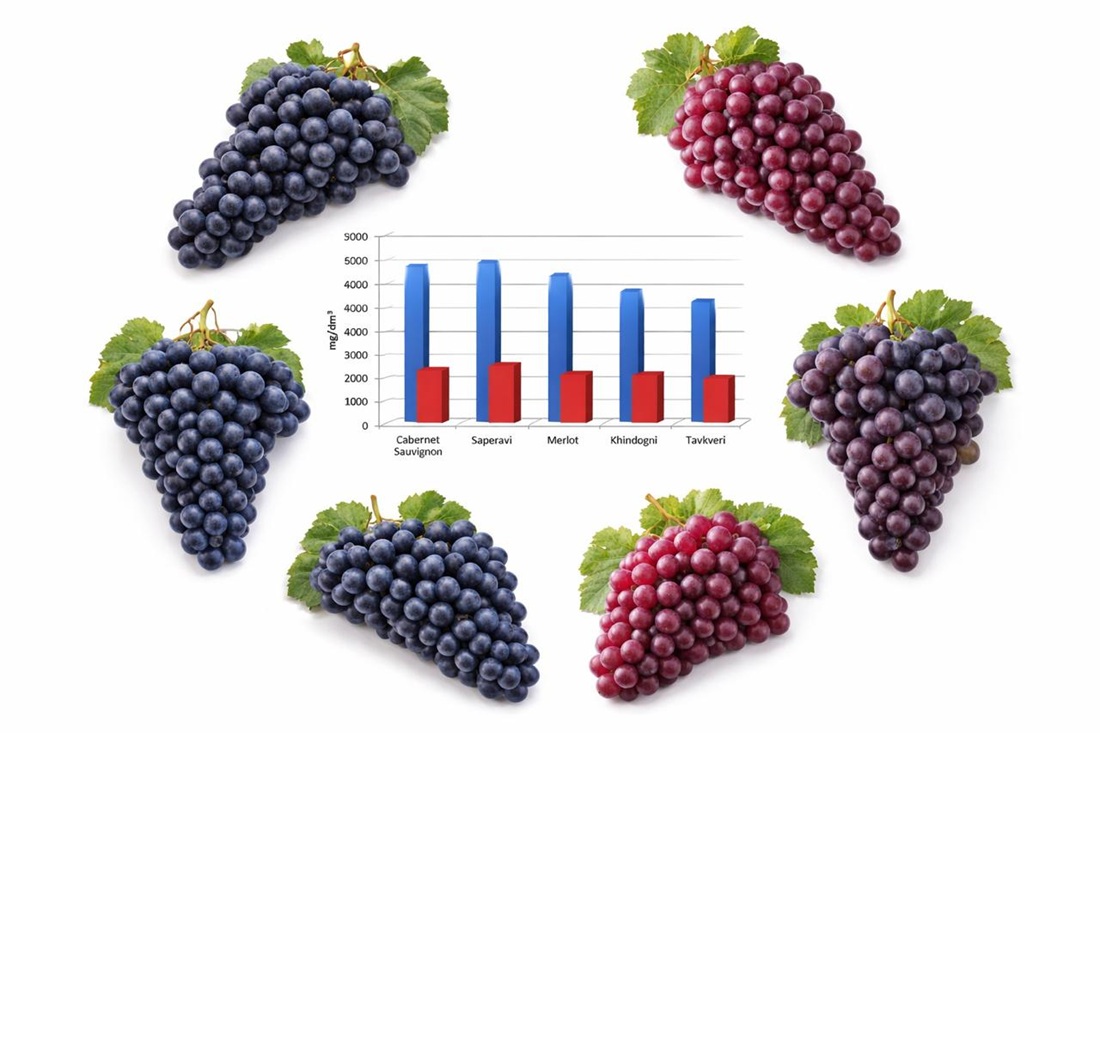
Об'єктом дослідження є сорти червоного винограду, багаті на фенольні сполуки, зразки вина, отримані з них, а також фізико-хімічні та механічні засоби, що використовуються під час процесу екстракції. Хоча було проведено кілька досліджень щодо екстракції фенольних сполук у сік та вино, вплив механічних методів, заснованих на мацерації різної тривалості, спиртовій екстракції за різного ступеня затемнення, термічній обробці, ферментних препаратах та перемішуванні, на екстракцію, а також вплив різних умов зберігання на загальний вміст фенольних сполук та антоціанів, не вивчався.
У випадку сорту Хіндогні під час спиртової обробки вичавок до 6% спирту фенольні сполуки не були чітко помітні. Експериментальний виноматеріал показав вищу інтенсивність кольору вичавок, оброблених 10% та 18% спиртом, ніж контрольний. Порівняння різних методів (термічних, ферментних препаратів тощо) показало, що ферментативна обробка (Trenol Color DF, доза 2,0 мг/дм3) забезпечила більш ефективну екстракцію. Перемішування збільшило екстракцію фенольних сполук більш ніж у 1,24 раза. Протягом 6 місяців зберігання масова концентрація фенольних сполук у виноматеріалі Сіра зменшилася на 21,3%, а антоціанів – на 16,4%.
Проблема виробництва червоних вин, багатих на фенольні сполуки та антоціани, вирішується шляхом застосування фізико-хімічних та механічних методів, включаючи спиртову екстракцію вичавок з різним періодом мацерації, термічну обробку, ферментативні та перемішувальні ефекти, а також зберігання за різних умов. Отримані результати можуть бути застосовані у виноробстві
Посилання
- Spinei, M., Oroian, M. (2022). The Influence of Extraction Conditions on the Yield and Physico-Chemical Parameters of Pectin from Grape Pomace. Polymers, 14 (7), 1378. https://doi.org/10.3390/polym14071378
- Errichiello, F., Cucciniello, R., Tomasini, M., Falivene, L., Gambuti, A., Cassiano, C., Forino, M. (2024). Efficient and selective extraction of oleanolic acid from grape pomace with dimethyl carbonate. Green Chemistry, 26 (19), 10177–10188. https://doi.org/10.1039/d4gc03624g
- Wiedemair, V., Zlöbl, D., Bach, K. (2023). Application of a Designed Mixed Model Approach for Antioxidant Extraction from Pomace. Food Analytical Methods, 16 (8), 1347–1357. https://doi.org/10.1007/s12161-023-02507-3
- Boudebouz, A., Hermoso, J.-F., Martí, E., Ninot, A., Boqué, R., Mestres, M. et al. (2024). Exploring the relevance of the type of horizontal separator to optimize the extraction efficacy for the Arbequina variety. Frontiers in Plant Science, 15. https://doi.org/10.3389/fpls.2024.1395701
- Fidriyanto, R., Singh, B. P., Manju, K. M., Widyastuti, Y., Goel, G. (2023). Multivariate analysis of structural and functional properties of fibres from apple pomace using different extraction methods. Food Production, Processing and Nutrition, 5 (1). https://doi.org/10.1186/s43014-022-00119-8
- Cendrowski, A., Studnicki, M., Kalisz, S. (2024). Impact of Different Solvents and Temperatures on the Extraction of Bioactive Compounds from Rose Fruits (Rosa rugosa) Pomace. Applied Sciences, 14 (2), 691. https://doi.org/10.3390/app14020691
- Wang, C., You, Y., Huang, W., Zhan, J. (2024). The high-value and sustainable utilization of grape pomace: A review. Food Chemistry: X, 24, 101845. https://doi.org/10.1016/j.fochx.2024.101845
- Zhao, Y., Liu, D., Zhang, J., Shen, J., Cao, J., Gu, H. et al. (2024). Improving Soluble Phenolic Profile and Antioxidant Activity of Grape Pomace Seeds through Fungal Solid-State Fermentation. Foods, 13 (8), 1158. https://doi.org/10.3390/foods13081158
- Ferreira-Santos, P., Nobre, C., Rodrigues, R. M., Genisheva, Z., Botelho, C., Teixeira, J. A. (2024). Extraction of phenolic compounds from grape pomace using ohmic heating: Chemical composition, bioactivity and bioaccessibility. Food Chemistry, 436, 137780. https://doi.org/10.1016/j.foodchem.2023.137780
- Silva, J. T. do P., Borges, M. H., de Souza, C. A. C., Fávaro-Trindade, C. S., Sobral, P. J. do A., de Oliveira, A. L., Martelli-Tosi, M. (2024). Grape Pomace Rich-Phenolics and Anthocyanins Extract: Production by Pressurized Liquid Extraction in Intermittent Process and Encapsulation by Spray-Drying. Foods, 13 (2), 279. https://doi.org/10.3390/foods13020279
- Fraterrigo Garofalo, S., Demichelis, F., Peletti, V., Picco, L., Tommasi, T., Fino, D. (2024). Comparative study of polyphenol extraction using physical techniques and water as a solvent: a sustainable approach for the valorization of apple pomace. Environmental Science and Pollution Research, 32 (48), 27915–27928. https://doi.org/10.1007/s11356-024-34637-4
- Plaza, A., Rodríguez, L., Concha-Meyer, A. A., Cabezas, R., Zurob, E., Merlet, G., Palomo, I., Fuentes, E. (2023). Effects of Extraction Methods on Phenolic Content, Antioxidant and Antiplatelet Activities of Tomato Pomace Extracts. Plants, 12 (5), 1188. https://doi.org/10.3390/plants12051188
- Sabahi, S., Abbasi, A., Mortazavi, S. A. (2024). Phenolic components from carrot (Daucus carota L.) pomace: Optimizing the extraction and assessing its potential antioxidant and antimicrobial activities. Heliyon, 10 (17), e36971. https://doi.org/10.1016/j.heliyon.2024.e36971
- de Andrade Bulos, R. B., de Souza, C. O., de Quadros, C. P., Leme, O. A. D., Corrêa, L. C., Oliveira, M. B. P. P. et al. (2025). Impact of Drying and Storage Conditions on the Bioactive and Nutritional Properties of Malolactic Wine Lees. Foods, 14 (22), 3852. https://doi.org/10.3390/foods14223852
- Ye, Z., Shi, J., Harrison, R., Hider, R., Bekhit, A. E.-D. A. (2023). Studies on the Effect of Oxidation on Bioactivity of Phenolics and Wine Lees Extracts. Antioxidants, 12 (4), 931. https://doi.org/10.3390/antiox12040931
- Athanasiou, P. E., Patila, M., Fotiadou, R., Chatzikonstantinou, A. V., Stamatis, H. (2024). Valorization of Wine Lees: Assessment of Antioxidant, Antimicrobial and Enzyme Inhibitory Activity of Wine Lees Extract and Incorporation in Chitosan Films. Waste and Biomass Valorization, 15 (10), 5657–5672. https://doi.org/10.1007/s12649-024-02524-1
- Azevedo, J., Pinto, J., Teixeira, N., Oliveira, J., Cabral, M., Guedes de Pinho, P. et al. (2022). The Impact of Storage Conditions and Bottle Orientation on the Evolution of Phenolic and Volatile Compounds of Vintage Port Wine. Foods, 11 (18), 2770. https://doi.org/10.3390/foods11182770
- Garcia, L., Martet, E., Suc, L., Garcia, F., Saucier, C. (2024). Analysis of targeted phenolic ageing markers in Syrah red wines during bottle ageing: Influence of cork oxygen transfer rate. Food Chemistry, 443, 138491. https://doi.org/10.1016/j.foodchem.2024.138491
- Pichler, A., Ivić, I., Babić, J., Mesić, J., Ćorković, I., Marković, T., Kopjar, M. (2024). Phenolic Profile, Antioxidant Activity, Chemical Composition, and Elements of Merlot Wine Stored in Toasted Oak Barrels. Foods, 13 (24), 4100. https://doi.org/10.3390/foods13244100
- Fataliyev, H., Gadimova, N., Huseynova, S., Isgandarova, S., Heydarov, E., Mammadova, S. (2024). Enrichment of functional drinks using grape pomace extracts, analysis of physicochemical indicators. Eastern-European Journal of Enterprise Technologies, 3 (11 (129)), 37–45. https://doi.org/10.15587/1729-4061.2024.307039
- Fataliyev, H., Isgandarova, S., Gadimova, N., Mammadova, A., Ismailov, M., Mammadzade, M. (2024). Identification of the effect of ripening conditions on the yield of rose hips and their processed products. Eastern-European Journal of Enterprise Technologies, 4 (11 (130)), 26–35. https://doi.org/10.15587/1729-4061.2024.309597
- Fataliyev, H., Mammadzade, M., Ismayılov, M., Gadimova, N., Mammadova, N., Musayev, T. (2025). Identifying the factors affecting the preparation of wine material from cherry fruits. Eastern-European Journal of Enterprise Technologies, 2 (11 (134)), 77–88. https://doi.org/10.15587/1729-4061.2025.326471
- Fataliyev, H., Lezgiyev, Y., Aghazade, Y., Gadimova, N., Heydarov, E., Ismailov, M. (2024). Identifying the influence of various technological techniques on the indicators of the composition of bunches and wine samples of the madras grape variety. Eastern-European Journal of Enterprise Technologies, 6 (11 (132)), 50–62. https://doi.org/10.15587/1729-4061.2024.318532
- Fataliyev, H. K. (2012). Winemaking practicum. Baku: Elm, 327. Available at: https://anl.az/el/Kitab/2013/Azf-272480.pdf
- Fataliyev, H. K. (2011). Wine technology. Baku: Elm, 586. Available at: https://anl.az/el/264414.pdf
- Sheskin, D. J. (2020). Handbook of Parametric and Nonparametric Statistical Procedures. Chapman and Hall/CRC. https://doi.org/10.1201/9780429186196
- Gadimova, N., Fataliyev, H., Heydarov, E., Lezgiyev, Y., Isgandarova, S. (2023). Development of a model and optimization of the interaction of factors in the grain malting process and its application in the production of functional beverages. Eastern-European Journal of Enterprise Technologies, 5 (11 (125)), 43–56. https://doi.org/10.15587/1729-4061.2023.289421
##submission.downloads##
Опубліковано
Як цитувати
Номер
Розділ
Ліцензія
Авторське право (c) 2026 Hasil Fataliyev, Elnur Heydarov, Mehman Ismayilov, Natavan Gadimova, Konul Baloghlanova, Shabnam Fataliyeva

Ця робота ліцензується відповідно до Creative Commons Attribution 4.0 International License.
Закріплення та умови передачі авторських прав (ідентифікація авторства) здійснюється у Ліцензійному договорі. Зокрема, автори залишають за собою право на авторство свого рукопису та передають журналу право першої публікації цієї роботи на умовах ліцензії Creative Commons CC BY. При цьому вони мають право укладати самостійно додаткові угоди, що стосуються неексклюзивного поширення роботи у тому вигляді, в якому вона була опублікована цим журналом, але за умови збереження посилання на першу публікацію статті в цьому журналі.
Ліцензійний договір – це документ, в якому автор гарантує, що володіє усіма авторськими правами на твір (рукопис, статтю, тощо).
Автори, підписуючи Ліцензійний договір з ПП «ТЕХНОЛОГІЧНИЙ ЦЕНТР», мають усі права на подальше використання свого твору за умови посилання на наше видання, в якому твір опублікований. Відповідно до умов Ліцензійного договору, Видавець ПП «ТЕХНОЛОГІЧНИЙ ЦЕНТР» не забирає ваші авторські права та отримує від авторів дозвіл на використання та розповсюдження публікації через світові наукові ресурси (власні електронні ресурси, наукометричні бази даних, репозитарії, бібліотеки тощо).
За відсутності підписаного Ліцензійного договору або за відсутністю вказаних в цьому договорі ідентифікаторів, що дають змогу ідентифікувати особу автора, редакція не має права працювати з рукописом.
Важливо пам’ятати, що існує і інший тип угоди між авторами та видавцями – коли авторські права передаються від авторів до видавця. В такому разі автори втрачають права власності на свій твір та не можуть його використовувати в будь-який спосіб.